
Seven checkpoints in a rental
Follow them in sequence and most potential disputes become visible before money changes hands.
- 01
Choose the area and term
Map your daily journeys, transport and intended stay first. One-month and annual terms can differ sharply, so compare early-exit rules as well as the headline rent.
- 02
View the apartment
Check noise, odours, water pressure, air conditioning, appliances, connectivity and common areas. If you cannot attend, ask for a live, uninterrupted video call.
- 03
Verify who is renting it out
The payment recipient should be clearly connected to the owner or authorised agent. Ask for ownership evidence and written authority, with unrelated personal details concealed.
- 04
Read the complete lease
Receive it before paying. Check both language versions and state which one prevails if they conflict. Do not accept blank spaces or important verbal exceptions.
- 05
Pay with a clear record
A bank transfer with a meaningful reference is safer than cash. Every payment should have a receipt stating the apartment, period and purpose.
- 06
Record the condition
Sign the inventory and capture the apartment, appliances, furniture, keys, access cards and meter readings. Send the record to the owner or agent on move-in day.
- 07
Close the lease on paper
Arrange an inspection before departure. Keep the handover record, final meter readings, utility calculation and agreed deadline for the remaining deposit.
What the lease should cover
A good lease answers awkward questions in advance. Pay particular attention to early termination and deposit clauses.
Parties and apartment
Full names, identity details, exact address and room number, plus the representative’s details and authority.
Term and renewal
Start and end dates, renewal process, notice period and early-exit conditions for both parties.
Rent, advance and deposit
Each amount, payment date and method, what the deposit secures and a specific deadline for returning it after inspection.
Utilities
How electricity, water, internet, cleaning and other services are calculated, the applicable tariffs and supporting bills.
Repairs and faults
Responsibility for air conditioning, appliances, plumbing, normal wear and tenant-caused damage.
Living rules
Guests, pets, smoking, parking, noise, common areas and condominium restrictions.
Inspection and access
When the owner or agent may enter, the required notice and what counts as an emergency.
Checkout and deductions
Cleaning, returning keys and cards, final readings, permitted deductions and an itemised written explanation.
MOVE-IN RECORD
Move-in: create a baseline
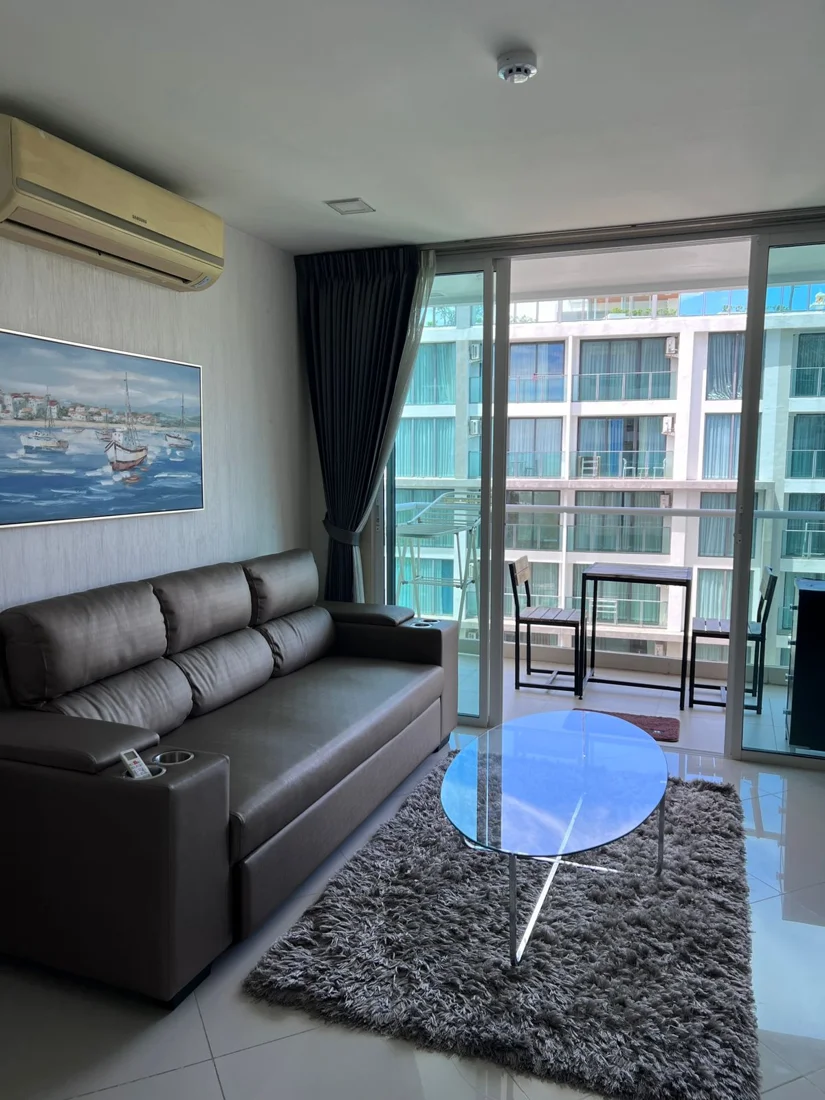
A photo of the attractive living room is not enough. Record everything that could later become a charge.
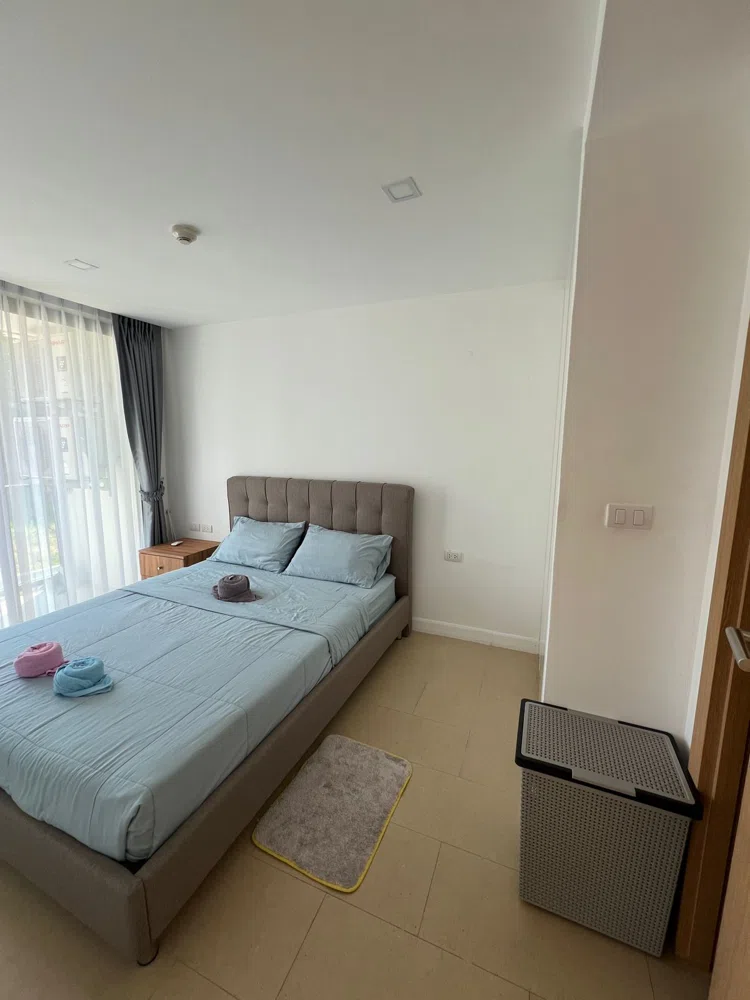
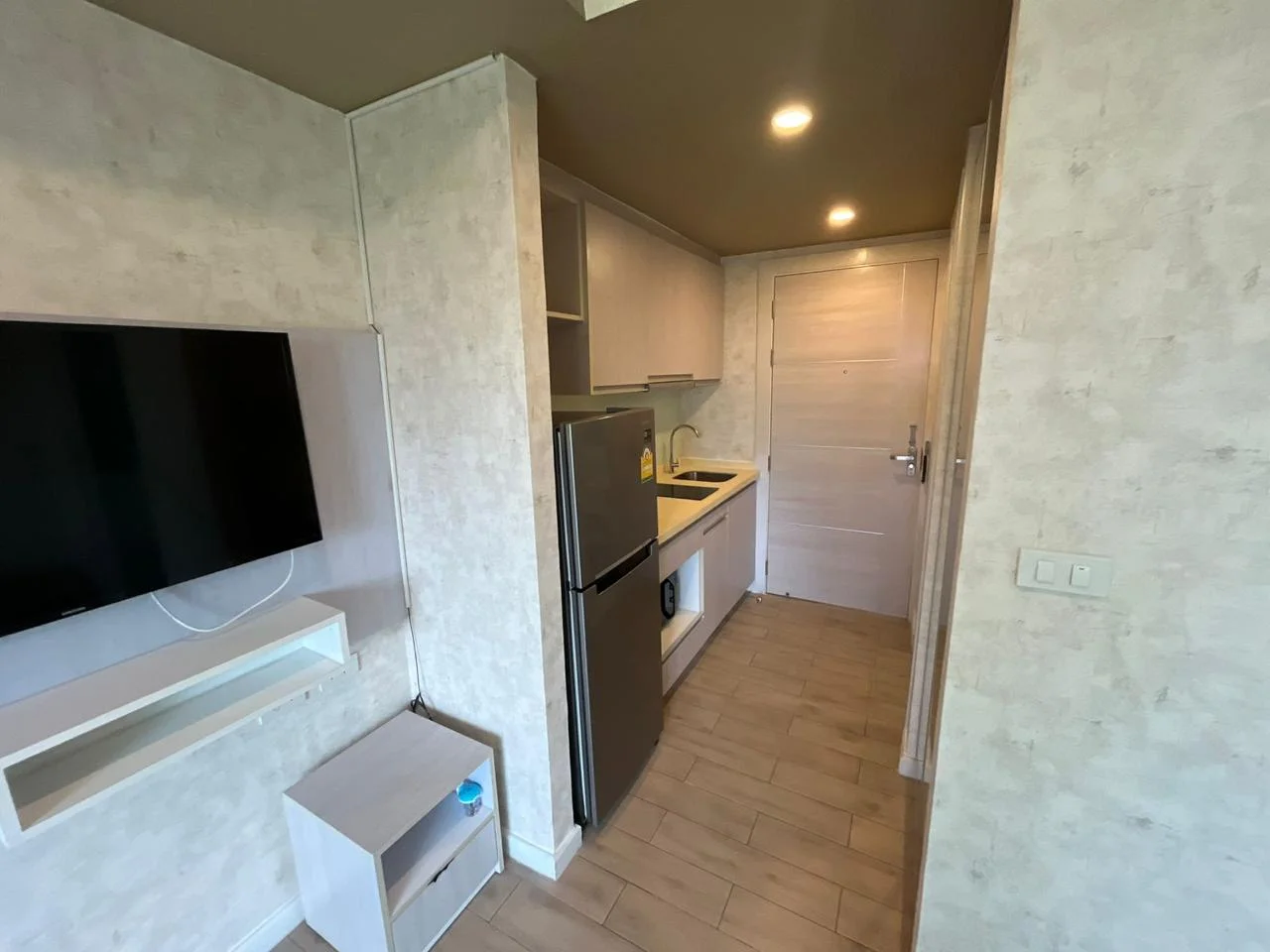
- 01Film the walls, floors, ceilings, windows, balcony, furniture, bathroom and kitchen in one continuous video.
- 02Take close-ups of scratches, stains, chips, moisture marks and items that are already broken.
- 03Test the air conditioners, fridge, hob, microwave, washing machine, television and water heater.
- 04Record meter readings and numbers, plus the quantity of keys, fobs and access cards.
- 05Check dishes, linen, towels and small appliances against the inventory before signing.
- 06Send the written defect list and ask for confirmation that it forms part of the lease record.
During the tenancy: keep a written trail
Report leaks, air-conditioning errors and other faults promptly. A dated message and photo help distinguish a reported maintenance issue from damage first discovered at checkout.
For a foreign guest, the owner, landlord or responsible occupier files a TM30 residence notification with Immigration. Ask for and keep the submission confirmation, as it may be needed in later immigration dealings.
How the rental rules differ
In Thailand, the protections available may depend on who is renting the home out, not only on the nature of the dispute.
Residential-rental businesses
OCPB guidance for qualifying operators includes standard contract terms, utility-charge controls and deposit-return requirements. Whether it applies depends on the landlord’s status and scale of activity.
A privately owned condo
When an individual rents out a condominium, the specific business-rental rules may not apply automatically. Detailed lease wording on deposits, deadlines and deductions therefore matters even more.
Wear versus damage
Define normal wear and tenant-caused damage in the lease. Before-and-after evidence supports the comparison, but any dispute still depends on the contract and facts.
Plan the checkout and deposit return
Do not leave the final inspection until you are already on the way to the airport.
- 01
Give notice correctly
Use the method and notice period stated in the lease, and obtain confirmation.
- 02
Request a pre-inspection
A few days ahead, ask what must be cleaned or corrected so it does not become a dispute after handover.
- 03
Make a final record
Repeat the move-in video route and show the clean apartment and working appliances.
- 04
Record the calculations
Capture the meters, request bill copies and separate utilities from claimed damage.
- 05
Sign the handover
Record the date, condition, returned keys and cards, and either no issues or an agreed list.
- 06
Get the result in writing
Ask for the refundable amount, itemised deductions with evidence, payment details and deadline.
Warning signs that should stop you
One unusual request may have an explanation. Several together are a reason not to send money.
- 01The price is far below comparable homes and you are pushed to decide immediately.
- 02No in-person viewing or uninterrupted live video is allowed.
- 03The payment recipient cannot show a clear link or authority from the owner.
- 04A deposit is requested before the complete lease, or the lease contains blank spaces.
- 05Utility rates, exit conditions or grounds for deposit deductions are vague.
- 06Important promises are made verbally but cannot be added to the lease or an appendix.
Frequently asked questions
Is paying a deposit before viewing normal?
It increases the risk. It is safer to verify the apartment, the contracting party and the lease first. If a reservation is genuinely needed, its purpose and refund conditions should be written down.
Can I sign only an English or Thai lease?
Yes, if you fully understand it. In a bilingual lease, state which version prevails if the texts differ and translate every appendix before signing.
Who files TM30?
The official system places the notification on the owner, landlord or responsible occupier accommodating the foreign national. The tenant should ask for and keep the confirmation.
What if the deposit is withheld?
First request an itemised calculation, photos, invoices and the relevant lease clause. If the matter is unresolved, seek guidance from OCPB or an independent lawyer with the lease and full message history.
Is a move-in video enough?
It helps, but a stronger record includes a signed inventory, close-up photos, meter readings, written messages and confirmation that the landlord received the defect list.
Official sources
Legally sensitive points were checked against Thailand’s Office of the Consumer Protection Board and the Immigration Bureau’s official TM30 system.
This guide provides practical general information, not individual legal advice. The applicable rules depend on the landlord’s status, property type and the terms of the specific lease.