
Where the name Pattaya comes from
The story of Pattaya’s name is commonly linked to the march of the future King Taksin. In 1767, his forces travelled through eastern Siam on their way to Chanthaburi and stopped near what is now Pattaya.
The area became known as “Thap Phraya”, meaning the army of the Phraya. Over time, the name evolved into Pattaya. Another explanation connects it with a local term for the south-westerly wind that arrives at the beginning of the rainy season.
Both accounts have become part of the city’s identity and are a reminder that life on this coast began long before the modern resort.
A small fishing community
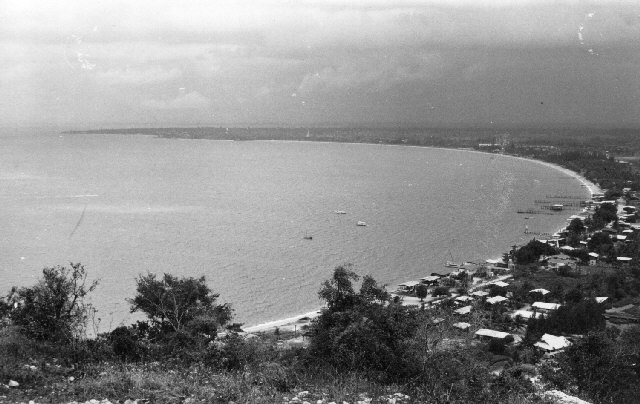
Until the middle of the twentieth century, the Pattaya area was a quiet stretch of coast dotted with fishing communities. Local people lived from fishing, trade and traditional work. Na Kluea, the old coastal settlement in the north, was one of the area’s most important communities and still retains traces of that past.
The turning point came in the late 1950s and early 1960s, when servicemen based in Thailand began visiting the coast on leave. Guesthouses, restaurants and entertainment venues followed, and Pattaya’s reputation quickly travelled beyond Thailand.
From seaside resort to self-governing city
Tourism brought rapid expansion. In 1978, Pattaya received a special administrative status that gave the city greater responsibility for managing its own development.
Over the following decades, hotels, homes, shopping centres and new roads appeared along the coast. Pattaya became one of Thailand’s best-known international destinations and home to a large international community.
Growth did not happen evenly, which is why Pattaya’s neighbourhoods feel so different. Tourism and entertainment still shape parts of the centre, while other areas are defined by family homes, quieter beaches, schools and everyday services.
Pattaya today
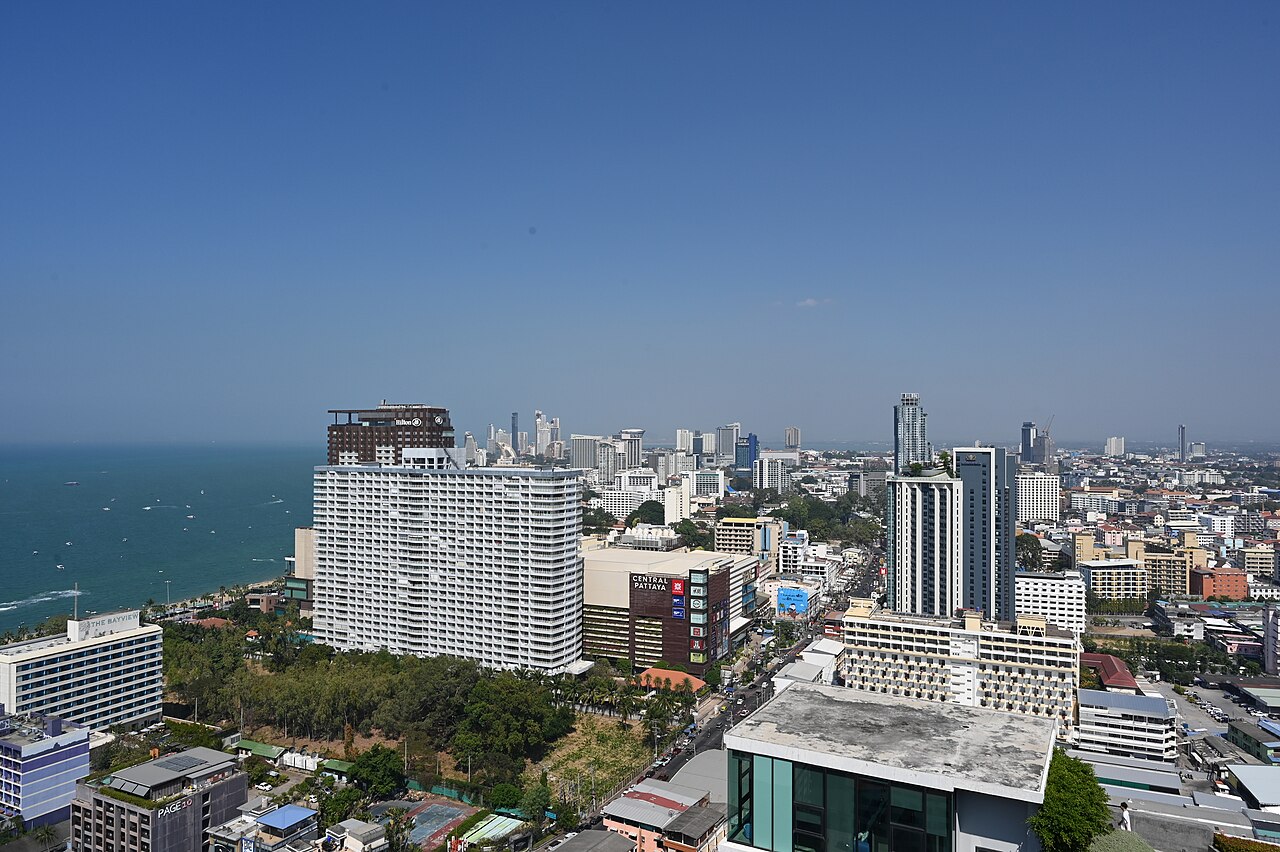
Modern Pattaya is increasingly a year-round city. It has international and private schools, clinics and hospitals, sports facilities, large supermarkets and restaurants serving food from around the world.
The visitor experience has become broader too. Beyond beaches and nightlife, Pattaya offers family attractions, water sports, golf, sailing, cultural landmarks and easy trips to nearby islands.
Beachfront areas, roads and public spaces are also being improved. The change is gradual: Pattaya remains a lively, contrasting city where new districts sit alongside older neighbourhoods and established Thai communities.
Why infrastructure around Pattaya is expanding
Pattaya sits in Chonburi, one of the three provinces in Thailand’s Eastern Economic Corridor, or EEC. The national programme covers transport, utilities, modern urban development, tourism, logistics and technology-led industries.
Major long-term projects include the expansion of U-Tapao International Airport and the Eastern Aviation City. A rail project is also intended to connect Don Mueang, Suvarnabhumi and U-Tapao airports, with a station serving Pattaya.
Timelines and individual specifications can change as these projects progress. The broader direction is clear, however: Thailand’s eastern seaboard is being developed as a major economic region, and Pattaya has an important role within it.
What is changing in the property market
The city’s changing role can be seen in its property market. Alongside traditional resort condominiums, more developments are designed for year-round living, with larger grounds, work areas, children’s facilities, sports spaces and on-site services.
Demand varies by neighbourhood and by the buyer’s goal. Holiday buyers often prioritise the sea and visitor infrastructure. Permanent residents tend to look for quiet surroundings, schools, shops and convenient road access. Investors also need to consider genuine rental demand, management quality, the developer’s record and the resale prospects of the specific unit.
A fast-developing city does not make every property a sound purchase. Each project should be assessed individually, including its documents, location, total ownership costs and the outlook for its neighbourhood.
What may come next
Pattaya is likely to keep developing in several directions at once: as an international destination, a year-round home and part of the wider economy of eastern Thailand.
Its enduring advantage is the combination of the sea, established city services and relatively convenient access to Bangkok. That is why Pattaya attracts not only visitors, but also families, business owners, remote professionals and people looking for a second home or a longer-term base.
Pattaya has already travelled from a small fishing community to an international city. The next chapter of that story is being written now.
Sources and fact-checking
Historical details and infrastructure information were checked against official Thai government and tourism sources.
This article is for general information. Project status and delivery dates should be checked again before making an investment decision.